Are You Using Your Elbows Wrong? Muay Thai Techniques Every Fighter Should Master
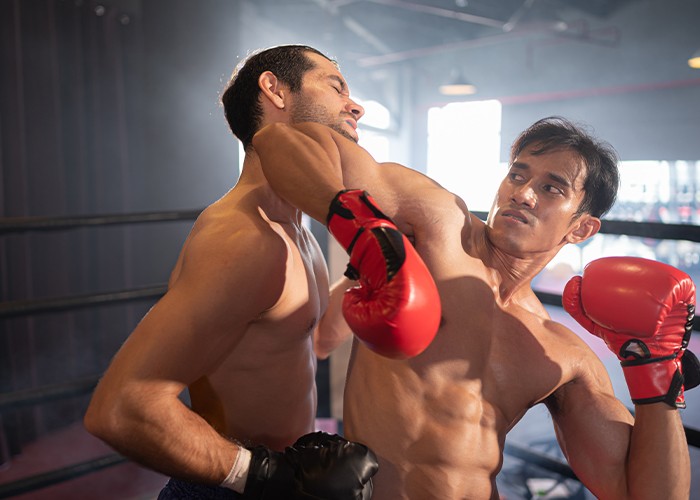
One small change can make your elbow strikes much better. Elbows are important in Muay Thai because they work well when fighters are close together. But power alone does not make a good elbow. You also need balance, timing, distance, and control.
Learning Muay Thai elbow techniques can help you build better close-range skills and avoid common mistakes. Whether you are just starting or already training, learning the basics first will help you become a smarter and more controlled fighter.
Why Elbows Matter in Muay Thai?
Muay Thai is often called the “Art of Eight Limbs.” Fighters use their fists, knees, shins, and elbows. Elbows are special because they can be used when there is not enough room for a full punch or kick. They can also move in several directions and angles.
But throwing an elbow as hard as possible is not the main goal. Your position matters too. If your feet are in the wrong place or you lose your balance, extra power will not solve the problem. Good elbow training starts with a strong stance, the right distance, and controlled movement.
Muay Thai Elbow Techniques Every Fighter Should Understand
There are several elbow movements that fighters can learn. Each one follows a different path and works best in different situations. Beginners should learn these movements slowly with pads and proper coaching.
A horizontal elbow moves from one side to the other. An upward elbow travels from low to high. A diagonal elbow moves across the body at an angle. A spinning elbow is more advanced and requires good balance, timing, and body control. These are some of the basic elbow movements taught in Muay Thai training.
The goal is not to learn every elbow at once. Start with one technique and understand how your body moves. Once you can perform it with good control, you can slowly add other techniques and combinations.
Are You Making These Common Elbow Mistakes?
Many fighters think that hitting harder means using better technique. This can lead to poor balance, wide swings, and weak defense. Good technique allows you to attack while staying ready to move or defend.
- Swinging too wide: A large swing can be slow and easy for an opponent to notice.
- Losing balance: Your feet should support your body during every movement.
- Using only your arm: Your stance, hips, and body position all help create good movement.
- Dropping your guard: You still need to protect yourself after throwing an elbow.
- Training too hard: Learn the movement first, then slowly increase speed and power.
These mistakes are common when people try to rush their training. Slow and controlled practice can help your body learn the correct movement before you add more speed.
How the Clinch Connects With Elbow Training?
The clinch and elbows are closely connected because both are used at close range. When two fighters are close, controlling balance and position becomes very important.
This is where clinching drills for Muay Thai can help. Simple hand-control drills, posture exercises, balance work, and light clinch practice can teach you how to stay comfortable when an opponent is close.
A good clinch is not just about grabbing someone. It is about staying balanced, controlling movement, and making smart decisions. Learning these skills can help you understand when and how close-range techniques should be used.
How to Practice Elbows Safely and Effectively?
Elbows need careful training because mistakes can cause injuries. Beginners should practice on suitable pads and work with a qualified coach. Avoid testing hard elbow strikes on training partners.
Start with one basic movement. Focus on your stance, distance, balance, and recovery after the strike. Once your movement becomes comfortable, your coach can add footwork, combinations, and controlled partner drills.
Training should always match your experience level. Thai Boxing University provides step-by-step instruction and training programs for both beginners and experienced students. Its website also explains that students can learn at their own pace through its online training resources.
What Makes a Good Elbow Fighter?
A good elbow fighter is not simply someone who can hit hard. They understand when to move, how to keep their balance, and how to recognize an opening.
Timing is one of the most important skills. If you throw an elbow without understanding your position, you may lose balance or leave yourself open. Instead, learn to stay relaxed and watch how your training partner moves.
The best way to improve is to build your skills step by step. Learn the basic movement first. Then work on timing and distance. After that, you can practice combinations and controlled applications. This approach helps turn individual movements into useful skills.
Take Your Elbow Skills to the Next Level
Great elbow work is about more than power. It requires balance, timing, distance, and control. Muay Thai elbow techniques become more useful when you understand how your whole body moves and how to stay protected after each strike. Start with simple movements, practice them correctly, and increase your skills slowly.
At Thai Boxing University, we help students learn step by step through structured training, practical instruction, and guidance. We are here to help you build confidence and become a more skilled Muay Thai fighter.
People Also Ask About Muay Thai Elbows
-
What are the basic Muay Thai elbow techniques?
Common techniques include horizontal, upward, diagonal, and spinning elbows. Beginners should start with simple movements before trying advanced variations.
-
Are elbows difficult for beginners to learn?
They can take time to learn because they require good balance, distance, and close-range control. Beginners can learn them by starting with simple movements and practicing under proper guidance.
-
Can elbows be used from the Muay Thai clinch?
Yes. The clinch can create close-range situations where elbows may be used. However, training rules and safety should always be followed.
-
How can I improve my elbow technique?
Practice your basic form regularly. Pad work, footwork, controlled drills, and clinch training can help improve your balance, timing, and movement.
-
Should I practice elbow strikes during sparring?
Follow your gym’s rules. Many gyms limit or avoid hard elbows during regular sparring. Beginners should use controlled drills and suitable protective equipment under a coach’s supervision.
Recent Posts