Do You Need a Coach for Thai Boxing Drills for Beginners? Here’s What Experts Recommend
Walking into a gym for the first time can feel like jumping into the deep end without a life jacket. You hear pads popping, kicks landing, and everyone moving with purpose. It looks exciting, but also a little intimidating.
That is exactly why Thai Boxing drills for beginners should never be left to guesswork. When you start right, you improve quickly. When you start wrong, you waste months fixing mistakes.
Many beginners believe they can learn everything from videos or by copying others. It sounds simple, but Thai boxing technique is precise. A small error in stance or timing can affect balance, power, and safety. That is where coaching becomes important. Let us walk through it clearly and practically.
What Beginners Really Need in Thai Boxing Training?
At the beginner stage, you do not need complex combinations or flashy moves. You need strong fundamentals. Think of it like building a house. If the base is weak, everything else feels unstable.
Most beginners should focus on:
- Proper stance and guard
- Basic punches and kicks
- Footwork and balance
- Breathing and rhythm
- Conditioning and endurance
These skills sound simple, but they require guidance. If your hands drop after punching or your hips do not rotate during kicks, you lose both power and protection. Without feedback, these habits stick.
Training alone often becomes a random effort. You hit the bag, get tired, and assume you improved. But effort without direction rarely brings steady progress. Smart practice always beats blind repetition.
Why a Coach Makes a Difference?
A qualified Muay Thai instructor works like a guide. They keep you on track and prevent common beginner mistakes.
-
Technique correction in real time
Small technical details matter. Your shoulder should protect your chin during punches. Your hips must rotate during kicks. Your feet must stay balanced. A coach notices these details immediately and corrects them. This saves you months of relearning later.
-
Clear structure
Beginners often feel unsure about what to practice. A coach creates a plan. One session may focus on boxing. Another one on kicks. Another on conditioning. This organized approach keeps training balanced and effective.
-
Safety and injury prevention
Thai boxing can be demanding on joints and muscles. Coaches teach proper warm-ups, safe mechanics, and recovery habits. This reduces the chance of strain or injury. Staying healthy allows you to train consistently.
-
Motivation and accountability
Let us be honest. Some days, motivation drops. A coach keeps you responsible for showing up and pushing through tough rounds. That steady support helps you build discipline and consistency.
What a Good Muay Thai Instructor Offers?
A good instructor teaches more than techniques. They help you understand the sport completely.
-
Technique breakdown
They explain movements step by step. You learn how to position your feet, shift weight, and use your hips correctly. Understanding the reason behind each movement builds confidence.
-
Real-time feedback
During pad work and bag rounds, they adjust your timing and distance. Small adjustments can quickly improve speed and power. Training becomes more efficient.
-
Mindset development
Thai boxing is physical, but it is also mental. Coaches teach patience, focus, and composure. You learn to stay calm under pressure. These qualities help both in training and everyday life.
Common Beginner Concerns: Coach vs. Solo Training
Many people consider training alone to save money. While possible, it often slows progress. The difference between the two approaches is clear.
| Solo Training Alone | Training with a Coach |
| You might learn basic moves | You learn correct technique fast |
| Hard to fix bad habits | Coach corrects your form instantly |
| Less accountability | Personalized support and motivation |
| Risk of injury | Safer progression and structure |
Guided training provides clarity and direction. Solo training often feels uncertain.
Where Drills Fit Into the Picture?
Drills form the foundation of skill development. They repeat movements until they feel natural. However, repetition without guidance can reinforce mistakes.
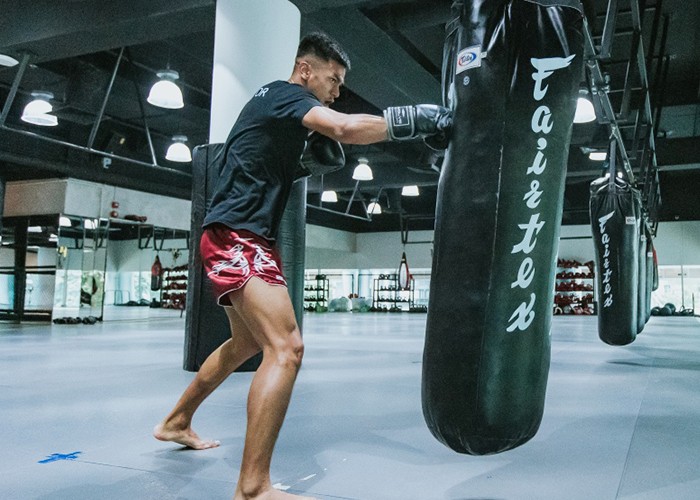
During Thai Boxing drills for beginners, structured sessions usually include shadowboxing, pad work, heavy bag rounds, partner drills, and light technical sparring. Each drill serves a purpose. Together, they improve coordination, timing, and endurance.
With a coach watching, every round has value. Without supervision, you may practice incorrectly without realizing it. Over time, those small errors limit progress.
The Mental Side Most People Forget
Thai boxing is not only about physical strength. It builds character. You develop discipline, patience, and resilience. You learn how to stay composed when tired and focused under pressure.
A coach plays a key role in shaping this mindset. They teach you to stay steady, not rush, and not give up when rounds feel tough. This mental strength often becomes one of the greatest benefits of training.
Can You Train Without a Coach?
Yes, you can train on your own. But progress is usually slower and less efficient. It is like driving without clear directions. You move, but not always toward your goal.
Most experts recommend working with a coach at least during the beginner phase. Once you build solid fundamentals, independent practice becomes more productive. Starting with guidance creates a stronger base.
People Also Ask
-
Do beginners really need a coach for Thai boxing?
Yes. A coach helps beginners learn proper form and avoid common mistakes that may cause injury. They provide structured sessions and immediate feedback. This guidance improves technique faster and builds confidence while creating a safer and more efficient training experience.
-
How often should beginners practice drills each week?
Training two to three times per week is ideal for most beginners. This schedule allows skill development without excessive fatigue. Rest days help recovery and prevent burnout. Consistent practice over time produces better results than long, irregular sessions.
-
What does a Muay Thai instructor teach first?
Instructors usually begin with stance, guard, footwork, and basic punches and kicks. These fundamentals support all advanced techniques. Learning balance and control early improves power and safety, creating a strong technical base for future progress.
-
Can online videos replace in-person coaching?
Online videos help learn concepts, but cannot replace personal feedback. They cannot correct posture or timing errors. In-person coaching provides immediate adjustments and safer training, which leads to faster and more accurate skill development.
-
How long before beginners see progress?
With regular training and proper guidance, most beginners notice better fitness and coordination within four to six weeks. Technique improves gradually as muscle memory develops. Consistency and patience are important, as small improvements build steadily over time.
Book Our Session Now!!
If your goal is safe training, steady progress, and strong technique, having guidance is the smart choice. A coach helps you avoid mistakes and develop correct habits from day one. When you train with us at Thai Boxing University, we focus on structured coaching, clear instruction, and long-term growth.
We help you master Thai Boxing drills for beginners with confidence and purpose, so you improve faster and train safely.