How Clinching Drills for Muay Thai Improve Knees, Defense, and Timing?
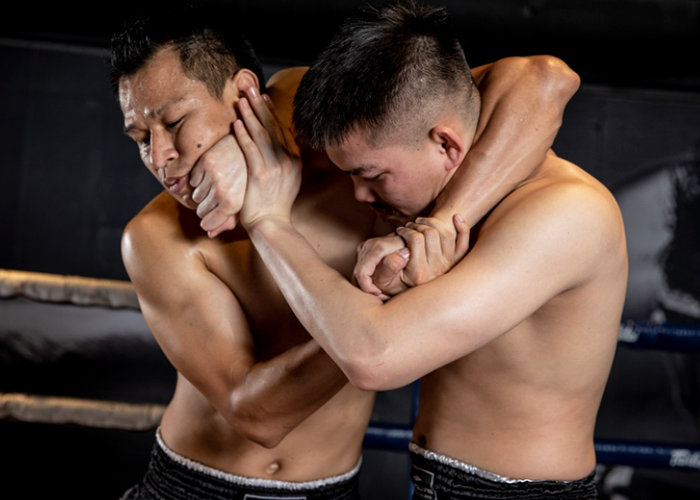
The clinch is one of the most important parts of Muay Thai. It is when a fighter holds their opponent close to control their movements. Many people think Muay Thai is only about punches and kicks, but the clinch can make a big difference in a fight. Clinching drills for Muay Thai help fighters learn how to use this position to strike, defend, and stay balanced.
Practicing these drills makes fighters stronger, faster, and smarter. They can land better knee strikes, block attacks more easily, and know the right time to move or strike. Learning the clinch is like learning a secret skill that gives fighters more control during training and sparring.
What Are Clinching Drills for Muay Thai?
Clinching drills are special exercises that teach fighters how to hold their opponent and move safely. These drills show how to grab the arms, shoulders, and head while staying balanced. Fighters also learn how to step, pivot, and keep their center of gravity so they do not fall.
The drills are usually done with a partner. One person practices controlling the other, while the second person practices escaping, striking, or defending. This helps both fighters improve their timing, strength, and reactions. It is also a good workout for the whole body, especially the core, arms, and legs.
How Clinching Helps Knee Strikes
One of the best uses of the clinch is for knee strikes. Knee strikes are very strong and can score points or stop an opponent. Clinching drills for Muay Thai teach fighters to control their opponent’s head and shoulders. This control creates openings to land powerful knees safely.
By practicing knee strikes in the clinch, fighters also improve their balance and coordination. Strong core muscles make each knee strike stronger. Repeating these drills over time helps fighters land quick and accurate knees during training or sparring without losing control.
Improving Defense in Thai Boxing
The clinch is also important for defense. Fighters can block punches, reduce damage, and control their opponent at the same time. Defense techniques in Thai Boxing often include clinching because it allows a fighter to protect themselves while preparing a counterattack.
Practicing clinching drills teaches fighters to stay calm and balanced even when pushed or pulled. They learn how to block strikes and move safely while keeping control. Over time, these skills become automatic, so a fighter can defend themselves naturally without thinking too much.
Timing and Quick Reactions
Clinching drills help fighters improve their timing. Timing means knowing when to strike, defend, or move. During drills, fighters learn to watch their opponent’s movements and react quickly. This makes it easier to land strikes or defend successfully.
Repetition is very important. Doing the drills many times helps the body remember the right movements. Eventually, fighters develop fast reflexes and can make smart decisions without hesitation. Good timing can make the difference between landing a hit or avoiding one.
Footwork and Balance in the Clinch
Balance and footwork are key in the clinch. Fighters must stay upright while controlling their opponent. Clinching drills teach how to step, pivot, and shift weight safely.
Good balance helps fighters deliver knee strikes, escape holds, and perform sweeps without falling. Footwork in the clinch also prepares fighters for moving away or setting up new attacks. Practicing these movements makes a fighter more fluid and confident in close-range situations.
Common Clinching Drill Exercises
Some easy and effective clinching drills include:
- Push-Pull Drill: Practicing control of a partner while staying balanced.
- Knee Drill: Practicing knee strikes in the clinch.
- Escape Drill: Learning to get free safely from a hold.
- Sweep Drill: Learning how to unbalance an opponent.
- Reaction Drill: Practicing quick responses to an opponent’s movement.
Each drill helps fighters get stronger, faster, and more aware of their position. They also help build confidence for sparring or competition.
Benefits Outside Fighting
Clinching drills are not just for fights. They improve fitness and strength. Core muscles, legs, and arms all get stronger. Balance and flexibility also improve. These drills teach focus and patience because fighters have to think about moves and reactions.
For beginners, clinching drills make it easier to feel confident when close to an opponent. Advanced fighters can improve strategy, strength, and timing. Practicing regularly makes the fighter better in every part of the fight.
People Also Ask
-
What are clinching drills in Muay Thai?
Clinching drills are exercises that teach how to control an opponent while striking and defending.
-
How do clinching drills improve knee strikes?
They teach fighters to hold the opponent properly and land strong, accurate knees.
-
Can beginners do clinching drills safely?
Yes, with a partner and proper guidance, beginners can practice safely.
-
How do clinching drills help defense techniques in Thai Boxing?
They train fighters to block attacks, stay balanced, and react quickly.
-
How often should a fighter practice clinching drills?
Practicing 2–3 times a week is enough to build skill and strength.
Connect Now!!
Clinching drills for Muay Thai help fighters improve knee strikes, defense techniques in Thai Boxing, timing, balance, and confidence. These drills make fighters stronger and smarter, giving them better control in close-range situations. Regular practice improves both physical and mental skills.
At Thai Boxing University, we provide expert coaching and structured drills to help every student improve. With our guidance, fighters of all levels can master the clinch, improve defense, and gain confidence in every training session.