Why is Clinching Important in Muay Thai Fights?
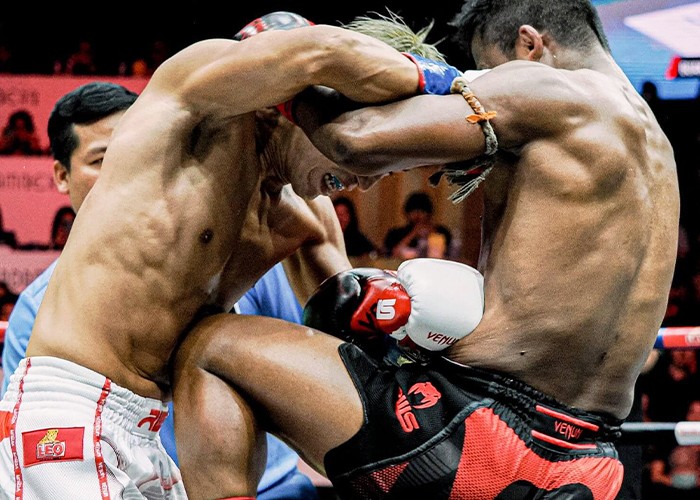
When people watch Muay Thai for the first time, they often notice the strong kicks, fast punches, and sharp elbows. But there is another very important part of Muay Thai that many beginners do not understand at first. This part is called clinching. Clinching drills for Muay Thai happen when two fighters are very close and use their arms and body to control each other. Even though it looks simple, clinching is one of the most powerful skills in Muay Thai.
This blog will explain what clinching is, why it is so important in fights, and how fighters train it in a simple and easy way.
What Is Clinching in Muay Thai?
Clinching in Muay Thai means holding your opponent in a close position while standing. Fighters usually place their hands around the neck, arms, or body of the other person. The goal is not just to hold, but to control.
A good Muay Thai clinch technique helps a fighter stay balanced while making the opponent lose balance. When one fighter controls the clinch, they can decide what happens next. They can strike, push, turn, or even make the opponent fall.
Clinching is allowed for a long time in Muay Thai as long as fighters are active. This makes it very different from many other fighting sports.
Why Clinching Is So Important in Muay Thai Fights?
-
Clinching Gives You Control
In Muay Thai, control is very important. When you clinch well, you can control where your opponent moves. You can pull them forward, push them back, or turn them to the side. This makes it hard for them to use their punches and kicks.
The fighter who controls the clinch often controls the fight. Judges also like to see control, so good clinching can help you win rounds.
-
Clinching Allows Strong Knee Strikes
One of the biggest reasons clinching is important is knee strikes. When fighters are close, knees become very powerful. A good clinch lets you pull your opponent into your knee, making the strike stronger.
Knees to the body can make an opponent tired very quickly. Knees to the head can score high points and sometimes end a fight. Without clinching skills, it is hard to use knees well.
-
Clinching Helps With Defense
Clinching is not only for attacking. It also helps you stay safe. If an opponent is punching or kicking a lot, moving into a clinch can stop their attacks.
When you clinch, your opponent cannot punch or kick easily. This gives you time to rest, think, and change the fight in your favor.
-
Clinching Can Make Opponents Lose Balance
A strong clinch can make an opponent fall or stumble. By pulling, pushing, or turning them at the right time, you can break their balance.
When an opponent loses balance, they feel frustrated and tired. This also shows the judges that you are in control of the fight.
Learning the Muay Thai Clinch Technique
The Muay Thai clinch technique is not about strength alone. It is about body position, timing, and knowing where to place your hands. Smaller fighters can control bigger fighters if they use the right technique.
Some important parts of the clinch include keeping your back straight, keeping your balance, and protecting your neck. Learning these basics helps fighters stay strong and safe in close range.
Clinching Drills for Muay Thai Training
To get good at clinching, fighters practice special exercises called clinching drills. These drills help build skill, balance, and confidence.
Some common clinching drills include:
- Hand fighting drills where fighters practice getting better hand positions
- Neck control drills that teach how to hold the head safely and strongly
- Balance drills that help fighters stay steady while moving
- Light clinch sparring where fighters practice without using full power
These drills are very important because clinching feels different every time. Practicing often helps fighters react faster during real fights.
Common Mistakes Beginners Make in the Clinch
Many beginners think clinching is just holding tight. This is not true. Holding too tight can make you tired very fast.
Another mistake is leaning too much. Leaning forward can make you lose balance and get thrown or kneed.
Good clinching is calm and controlled. It takes time and practice to learn, but once learned, it becomes a powerful tool.
People Also Ask
-
Is clinching allowed in all Muay Thai fights?
Yes, clinching is a big part of traditional Muay Thai. Some competitions limit it, but real Muay Thai allows active clinching.
-
Is clinching safe for beginners?
Yes, when taught properly. Beginners usually start with light drills and learn safety first.
-
Do you need to be strong to clinch well?
No. Technique, balance, and timing are more important than strength.
-
How often should clinching be practiced?
Clinching should be practiced regularly, often a few times each week, along with striking.
-
Can clinching help outside the ring?
Yes. Clinching teaches control, balance, and body awareness, which can be useful in many situations.
Get in Touch With Us!!
Clinching is one of the most important skills in Muay Thai. It helps fighters control the fight, strike with power, defend themselves, and score points. Learning the Muay Thai clinch technique and practicing clinching drills can make a huge difference in how a fighter performs.
If you want to truly understand Muay Thai and improve step by step, learning clinching the right way is essential. At Thai Boxing University, we believe in teaching strong basics, smart techniques, and clear training methods. We are here to help you grow, learn, and become more confident in your Muay Thai journey.